
NON-RESTRICTED FOUNDATION
CFSC
Canadian Firearms Safety Course
Introductory safety knowledge and responsibilities for non-restricted firearms.
CANADIAN FIREARMS LICENCES · EXPLAINED
Understand the two Canadian firearms safety courses, written and practical tests, passing standards, attendance and preparation before booking.
Explore the guide ↓
04 / TRAINING & TESTS
Know the teaching, the two tests and the course-day arrangements before you arrive.
01 / COURSE REQUIREMENTS
NON-RESTRICTED FOUNDATION
Canadian Firearms Safety Course
Introductory safety knowledge and responsibilities for non-restricted firearms.
ADDITIONAL RESTRICTED TRAINING
Canadian Restricted Firearms Safety Course
Builds on successful CFSC completion with restricted firearms safety and responsibilities.
For the ordinary first-time adult route, complete the CFSC with an approved instructor and pass its written and practical examinations. Use the app’s lessons and questions to arrive familiar with the material.
02 / COURSE REQUIREMENTS
The course is not simply a written quiz attached to a range lesson. It introduces names, safety principles and responsibilities, then gives you instructor-led opportunities to understand and practise the course material. The practical assessment checks a different kind of understanding from answering questions on paper.
For a beginner, unfamiliar words can make a simple concept feel difficult. Start by learning the vocabulary and how the topics connect. In class, ask the instructor to explain any term or instruction you do not understand. Do not try to hide confusion just to keep up with the group.
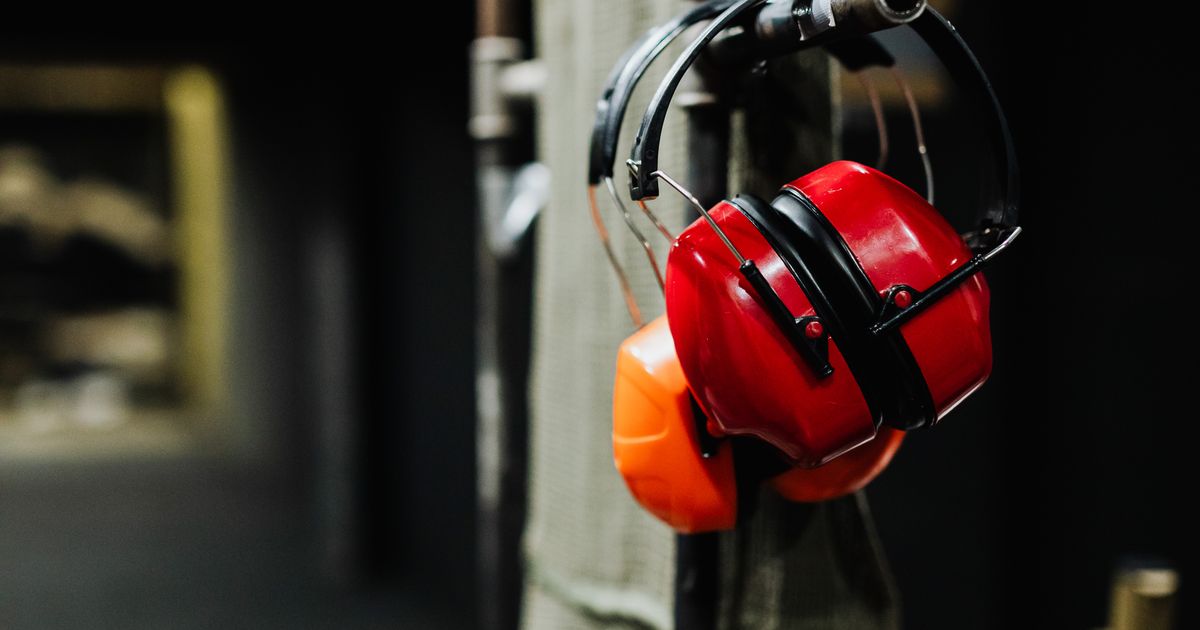
Reading beforehand can make the language more familiar. It does not replace the instructor’s supervision or the official assessment of practical skills.
03 / COURSE REQUIREMENTS
Questions about safety, terminology and responsibilities.
80% or moreAn examiner assesses practical handling with training equipment.
80% or moreEach part must be passed. A high written mark cannot make up for a failed practical test. Unsafe actions can cause a practical-test failure.
The practical part is an assessment of safe habits, not target accuracy. Follow the examiner’s instructions with the course’s training equipment. This site explains the process; supervised instruction teaches and assesses the practical skills.
04 / COURSE REQUIREMENTS
Expect classroom learning, instructor demonstrations and supervised practice before assessment. You do not need prior ownership or shooting experience. Ask questions when a term or instruction is unfamiliar.
As a concrete planning example, Ontario’s FSESO lists a minimum eight hours for CFSC and six hours for CRFSC, excluding tests. Do not use those numbers as a booking promise everywhere: confirm your provider’s full schedule, breaks, test slots and whether the courses are combined.
Walk through your first course day05 / COURSE REQUIREMENTS
Book a date you can fully attend. Missing instruction can affect your ability to take the tests. Ask about the cancellation policy and what happens if you need a retest; timing, fees and administration should be confirmed before booking.
If you need reading support, a language option or a disability accommodation, tell the provider in advance. Confirm what arrangements are approved for teaching and examination. Do not wait until test time.
06 / COURSE REQUIREMENTS
For an ordinary first-time applicant, do not plan on simply challenging the exams. The RCMP lists specific historical and alternative-certification exceptions. Older records need individual confirmation; previous informal experience is not an automatic exemption.
A court prohibition is a separate issue. The RCMP explains that after an applicable prohibition expires, the appropriate courses and tests must be completed again before applying. Ask the CFO about your case.
07 / COURSE REQUIREMENTS
Before leaving, confirm when you will receive your official results, whether any provincial processing is required and whom to contact if a report is delayed. Keep copies of the documents needed for your application.
Use the local directory and booking checklist.
Read the guideSee how the material fits together.
Read the guideUnderstand documents and review.
Read the guide08 / COURSE REQUIREMENTS
Look at teaching hours and exam arrangements together. If a provider lists instruction time, ask whether that excludes breaks and assessment. A practical examination may be scheduled individually rather than completed by everyone at the same moment.
Arrange travel and other commitments around the confirmed finishing time. If you are taking both courses, ask whether they occur on consecutive days or a different sequence and how successful CFSC completion is documented.
09 / COURSE REQUIREMENTS
A result is more useful when you understand what it tells you. If you did not pass, ask which topics or safe habits need more practice and what the provider’s authorized retest process is. Written knowledge and practical habits can need different kinds of support.
Check any timing limit, fee and booking requirement directly with the provider. Do not assume the policy is the same everywhere, or that an online practice score can remove the need for a practical retest.
No. The written and practical examinations are assessed separately. Each must be passed. Use the result to identify the kind of learning that needs attention rather than averaging the two marks.
WHEN YOU ARE READY TO PREPARE
A structured PAL & RPAL course, practice tests and clear explanations—in one app.
YOUR NEXT STEPS
From choosing a course to preparing your application.
0 of 9 completed