
The course teaches you
The Canadian Firearms Safety Course (CFSC) is the foundation. The Canadian Restricted Firearms Safety Course (CRFSC) adds restricted training.
Read the guideCANADIAN FIREARMS LICENCES · EXPLAINED
A plain-language introduction to Canadian firearms licences, safety courses, tests and the steps from beginner to applicant.
Explore the guide ↓
01 / THE BIG PICTURE
Start with the decisions, then learn the names. This guide connects the whole process before you book anything.
01 / START HERE
PAL stands for Possession and Acquisition Licence. It is a federal firearms licence for an individual. “Possession” means having a firearm; “acquisition” means obtaining one, such as through a purchase or gift.
It is not a course certificate. You first meet the training requirements, then apply for the licence. The application includes safety screening. Passing a course does not guarantee approval.
The Canadian Firearms Safety Course (CFSC) is the foundation. The Canadian Restricted Firearms Safety Course (CRFSC) adds restricted training.
Read the guidePAL is the government-issued licence. Course results are supporting documents for your application.
Read the guideNon-restricted, restricted and prohibited are legal categories. Appearance alone does not settle the category.
Read the guide02 / START HERE
It is easy to start by asking “Do I need PAL or RPAL?” A more useful first question is what you actually want to do. Perhaps you want to learn about safety, prepare for lawful non-restricted ownership, or understand restricted target shooting. Those goals can lead to different next steps.
You can read about the process before choosing a course. Learning the basics does not commit you to buying a firearm. If your goal includes hunting, keep the hunting requirements beside the firearms requirements; one does not replace the other.
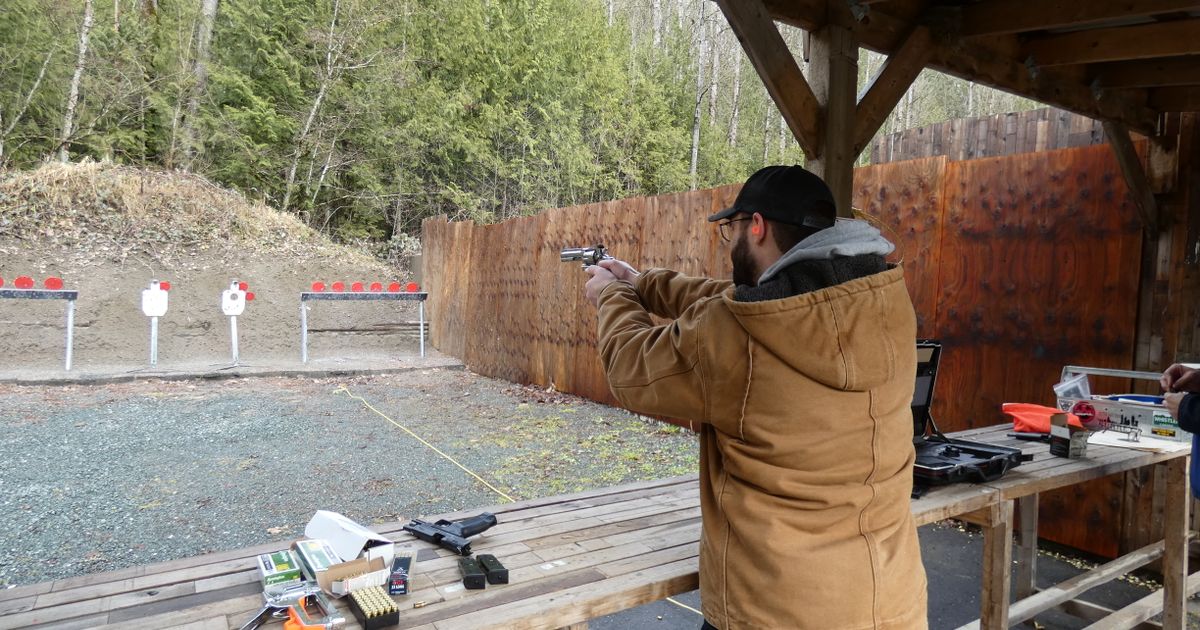
A range has its own access, orientation and supervision policies. Ask about its beginner arrangements; do not assume a safety-course certificate or a licence automatically includes membership.
03 / START HERE
For non-restricted firearms, the usual first-time adult route is the Canadian Firearms Safety Course (CFSC). For restricted privileges, add the Canadian Restricted Firearms Safety Course (CRFSC).
| Question | PAL: non-restricted | PAL with restricted privileges (“RPAL”) |
|---|---|---|
| What training? | CFSC + written and practical tests | CFSC, then CRFSC; both sets of tests |
| What does the name mean? | Possession and Acquisition Licence | The same kind of licence, with restricted privileges added |
| What firearms? | Firearms legally classed as non-restricted | Approved privileges for non-restricted and restricted firearms; transfer restrictions still apply |
| Is it a hunting licence? | No. Provincial or territorial hunting rules are separate. | No. Restricted firearms are not an ordinary hunting route. |
| Can I buy a handgun? | No restricted privileges | Not ordinarily. The national handgun freeze has narrow exemptions. |
| Must I get PAL first? | This is the foundation | You can complete both courses and apply once; no need to wait for a PAL card first. |
04 / START HERE
Read the eligibility guide. Under 18, visiting Canada and older training records have different routes.
Choose CFSC or CFSC + CRFSC. Confirm instructor approval, location, schedule and total price.
Attend instruction. Each course has a written test and a practical test. Keep the official results.
Prepare documents, contacts, photo and fee. Choose the online or paper route that fits your history.
The Canadian Firearms Program reviews the application. Read the privileges and conditions on the issued licence.
05 / START HERE
Evidence you passed training. They are not permission to possess firearms independently.
Authorizes an individual according to the approved classes and conditions.
Identifies a particular firearm. Restricted and prohibited firearms need federal registration. Quebec has separate non-restricted registration rules.
Provincial or territorial hunting licences, education, seasons and tags are separate. A PAL alone does not authorize a hunt.
06 / START HERE
If you are deciding whether to book, start with eligibility and costs. If you already know your path, go straight to the training and instructor guides.
Understand which route applies to you.
Read the guideKnow which charges are separate.
Read the guideA short glossary you can return to.
Read the guide07 / START HERE
A FIRST-TIME ADULT
Imagine an adult who wants to learn about non-restricted firearms but has never taken a course. They begin with the glossary, check the normal adult route, then contact an approved CFSC provider. Before paying, they ask whether teaching, both tests and result reports are included. After passing, they collect their reports and prepare their application contacts and photo.
08 / START HERE
You do not have to learn every rule in one sitting. By the end of your first visit, aim to know which training path you are considering, which local organization can help you find an instructor, and which questions still need answers.
A short list of uncertainties is useful: your age route, prior licence history, documents from outside Canada or the purpose for restricted privileges. Resolve the question with the relevant provider or licensing authority rather than choosing an answer that merely sounds convenient.
WHEN YOU ARE READY TO PREPARE
A structured PAL & RPAL course, practice tests and clear explanations—in one app.
YOUR NEXT STEPS
From choosing a course to preparing your application.
0 of 9 completed