
Registration
Restricted firearms must be registered. The certificate concerns the firearm, while the PAL concerns the person.
CANADIAN FIREARMS LICENCES · EXPLAINED
Learn what restricted PAL privileges mean, how CFSC and CRFSC fit together, and what current handgun and transport restrictions mean for beginners.
Explore the guide ↓
03 / RESTRICTED PRIVILEGES
Restricted training adds responsibilities. It does not remove current handgun restrictions or make every firearm eligible.
01 / RPAL
“RPAL” is the usual shorthand for a PAL with restricted privileges. It builds on the non-restricted foundation. Your licence must authorize the firearm class you intend to possess.
Complete the non-restricted course and both examinations.
Complete the restricted course and both examinations.
Request the appropriate privileges and submit both sets of results.
Wait for the approved licence; training alone does not grant restricted privileges.
02 / RPAL
Restricted privileges add a layer of responsibility to the foundation. Before choosing this path, understand the lawful activity you have in mind and the current rules around it. An older explanation of handgun ownership may describe a transfer process that is no longer generally available to individuals.
You may see “PAL + RPAL” advertised as a course bundle. Read that as two training courses, CFSC followed by CRFSC. It is not a promise that every restricted firearm can be transferred to you, or that all transport is permitted after the tests.
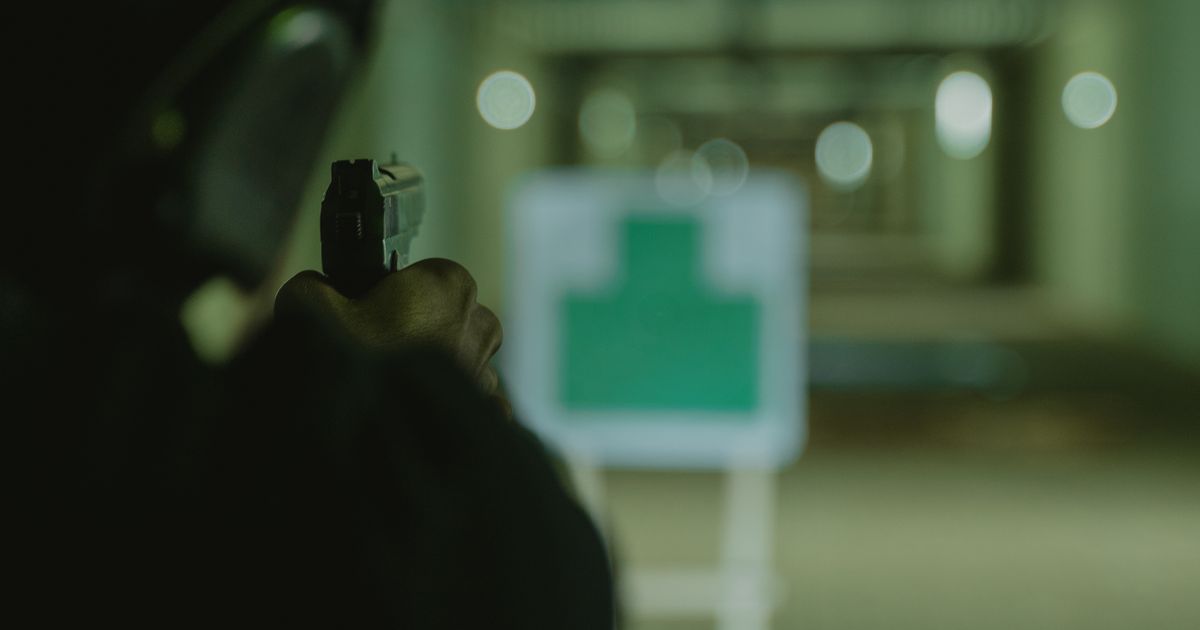
Approved range use, licence privileges, registration and transport conditions are separate questions. Understand the whole activity rather than stopping at the course name.
03 / RPAL
Restricted privileges can still be relevant to lawful activities and firearms that remain eligible, but check the particular firearm, purpose and current transfer rules. Avoid booking based on old advice that everyone with an RPAL can buy a handgun.
04 / RPAL
Restricted firearms must be registered. The certificate concerns the firearm, while the PAL concerns the person.
Target practice with restricted firearms takes place at approved shooting clubs or ranges. Confirm your intended purpose with the CFO.
Read the conditions on your licence. Some trips need a separate Authorization to Transport (ATT).
Read the guide05 / RPAL
A provider may offer the courses back to back. Successful CFSC completion comes first. Ask about the CRFSC schedule, prerequisites and separate test times.
You can instead get non-restricted privileges first, complete the restricted training later, then apply to upgrade. The upgrade does not happen automatically when you pass. Compare the total training cost and the current upgrade fee.
See fees and planning considerations06 / RPAL
No. Complete the required CFSC first, then CRFSC. You can meet both training requirements before a single first application.
No automatic entitlement. Prohibited firearms and grandfathered privileges have separate restrictions. There is no ordinary “prohibited course” that grants a new applicant those privileges.
No general carry permission comes with restricted privileges. An Authorization to Carry is separate and limited. An ATT is for transport, not permission to carry for protection.
No. It includes restricted safety instruction and both written and practical examinations.
07 / RPAL
You can arrange CFSC and CRFSC before applying for your first PAL. Ask whether the provider offers a back-to-back booking, how the prerequisite is confirmed and whether the schedule leaves enough time for both sets of tests.
This can reduce the need to organize a second training booking later, but it requires more teaching and assessment time now. Compare the full schedule and cost, not just the label “combined course.”
08 / RPAL
COMBINED TRAINING
A first-time adult books a provider’s CFSC and CRFSC sequence. They complete CFSC first, then restricted instruction and assessment. They now have training evidence for the restricted-privileges application, but still need to submit the application and await approval.
Not by itself. The report is evidence for the appropriate licence or upgrade application. Read the privileges on the licence issued after review; do not assume the course result amended your current licence.
09 / RPAL
Ask your provider about prerequisites, combined versus separate teaching dates, exam slots and when each report will be issued. Ask the licensing authority about your intended purpose if it is unclear how current restrictions affect it.
It is better to understand a limitation before booking than discover it after expecting a course certificate to authorize an activity it does not cover.
WHEN YOU ARE READY TO PREPARE
A structured PAL & RPAL course, practice tests and clear explanations—in one app.
YOUR NEXT STEPS
From choosing a course to preparing your application.
0 of 9 completed